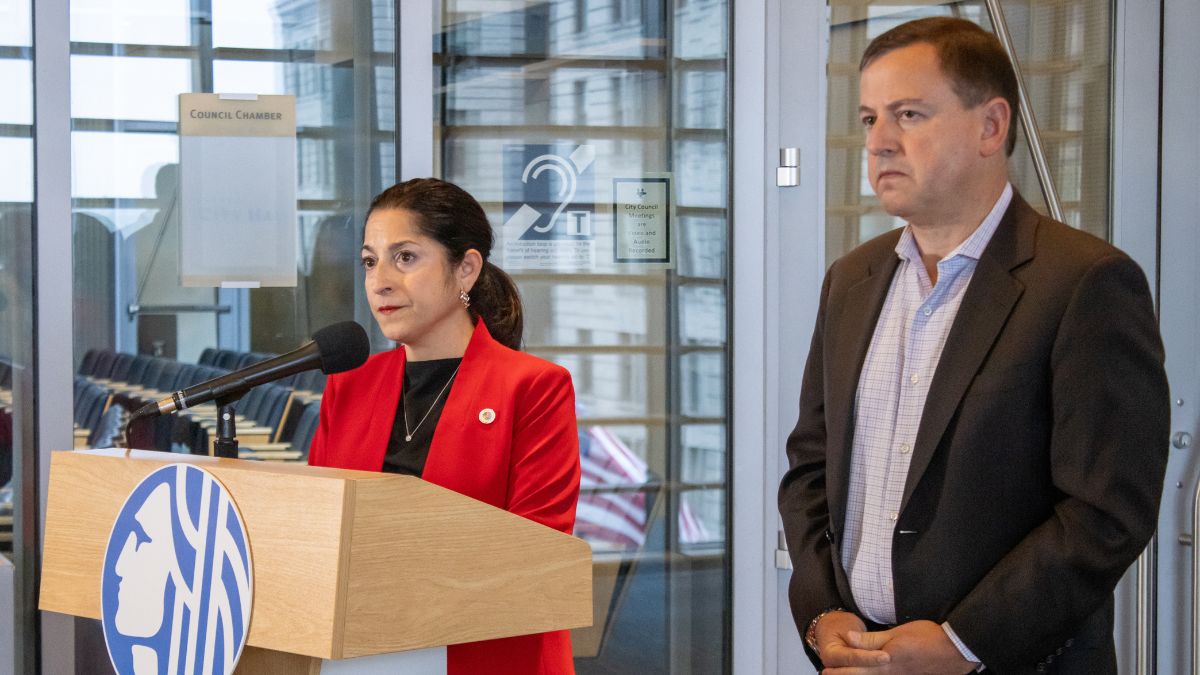
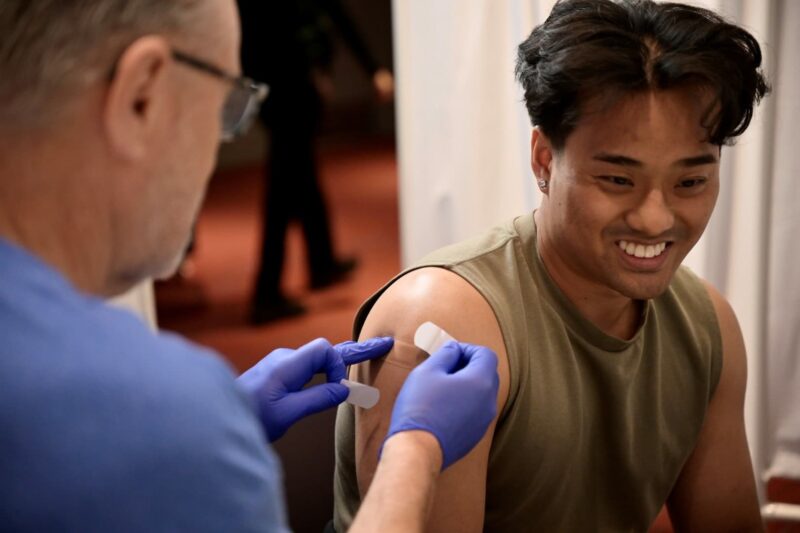
The Seattle/King County Clinic ran its 11th annual four-day event at Fisher Pavilion April 23-26, offering free dental, vision, and medical care with no documentation required. On opening morning, people had been in line since 11 a.m. the day before — an 18-hour wait — and dental admission tickets were gone within 10 minutes of the 5:30 a.m. opening. Vision and medical slots followed within hours. Organizers project the 2026 clinic will serve 3,000 to 3,500 patients across four days, roughly matching last year’s final count of 3,300.
Who Comes and Why
The clinic’s patient population spans the full range of the coverage gap: the uninsured, the underinsured, and people whose coverage exists on paper but not in practice. Lisa Beck, a Marine veteran, said she hadn’t seen a dentist in over a decade; she described the clinic’s first-come, first-served model as a genuine point of access. Jeff Allison has dental insurance, but his deductible is high enough that using it isn’t financially worth it. For patients like Gabriel Mayorga, the clinic is not supplemental — it is primary care. “It’s become my main source of medical care,” Mayorga said, “because it’s the only thing I can afford.” More than 3,000 licensed clinical and non-clinical volunteers staff the event annually, donating an estimated 40,000 hours of labor. All services are free; all supplies are donated.
Growing Need, Shrinking Safety Net
The clinic launched in 2014 during early ACA optimism, and organizers at the time expressed hope it might eventually become unnecessary as coverage expanded. That has not happened. Approximately 40,000 Washington residents lost health insurance in the year before the 2026 event, and the clinic has served more than 33,000 patients since it opened. HR1, signed in July 2025, cuts roughly $1 trillion from federal Medicaid over 10 years and imposes 80-hour-per-month work requirements on the 620,000 Washington Apple Health enrollees between the ages of 19 and 63, effective December 31. “What we’ve seen 11 years later is that the need is only growing,” said organizer Olivia Sarriugarte. The 12th clinic is expected in April 2027.